Guide to Finding the Appropriate General Contractor for Your Next Home Project
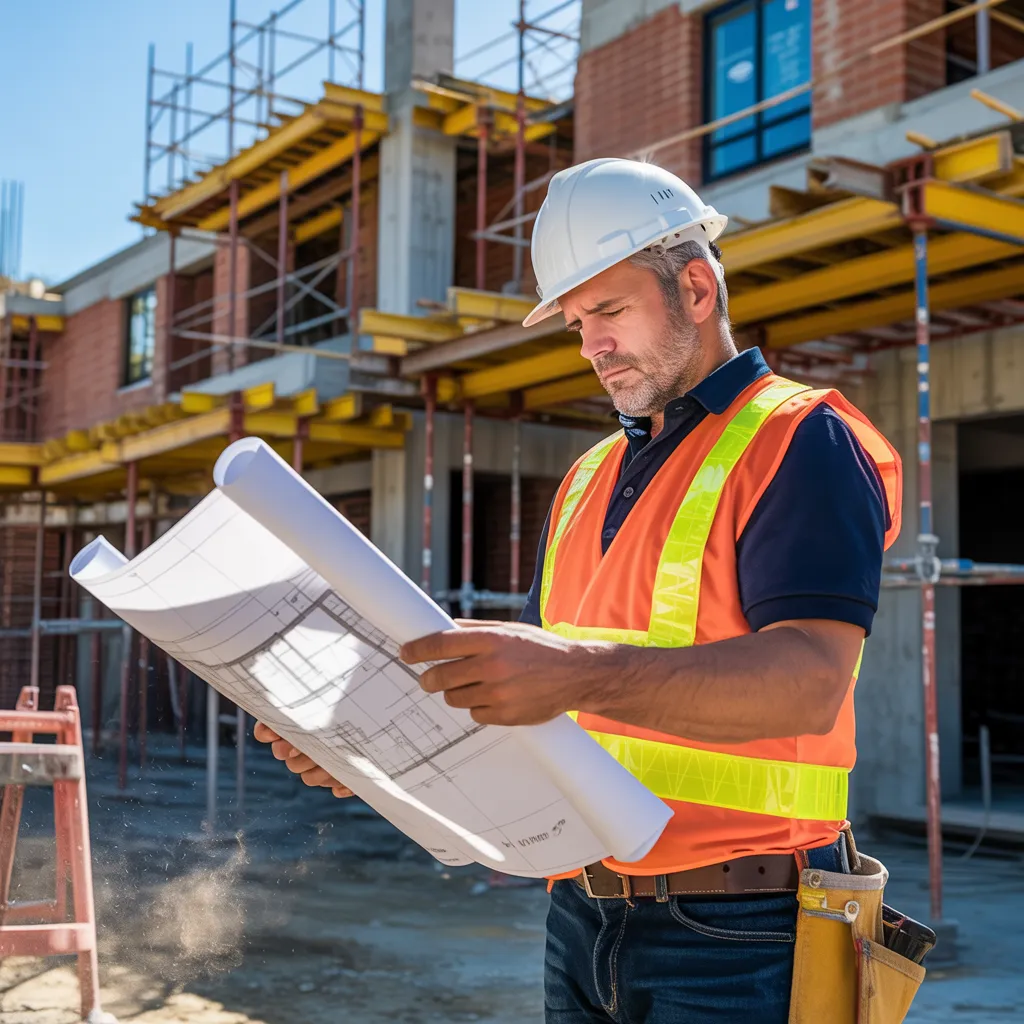
Picking the ideal general contractor for your house renovation is an important determination. It necessitates careful assessment of diverse considerations, including background, credentials, and people skills. Many property owners disregard vital elements, causing financial losses. Discovering how to review candidate contractors can have a major impact. Through prioritizing core requirements and requesting answers to critical questions, you can work through this challenging process with greater ease. What are the necessary actions to assure a fruitful collaboration?
How to Prevent Usual Traps When Determining a Service Provider
When engaging a contractor, how can one navigate the multitude of possibilities without making usual errors? Prospective clients regularly overlook vital aspects that can bring about negative results. First, depending only on price can be untrustworthy; the cheapest quote may show low-grade results or unknown expenses. Additionally, ignoring recommendations and web reviews can cause selection of a bad contractor. It is also important to avoid deciding purely on charm; a friendly professional may not have the needed qualifications or dependability. Moreover, neglecting to set clear communication and goals can lead to misunderstandings and dissatisfaction. Finally, not reviewing contracts thoroughly before signing can cause unforeseen responsibilities or inadequate coverage. By being careful and knowledgeable, homeowners can make more confident decisions, finally achieving a successful result.
Critical Components to Check in a Contractor's Portfolio
When assessing a contractor background, multiple important elements come into play. Relevant project experience, professional certifications, and an extensive collection of finished projects act as key measures of their abilities. Evaluating these elements can offer useful information into the contractor's fit for the particular job at hand.
Pertinent Project History
Comprehending a contractor's pertinent work background is crucial for ensuring relevant resource the positive outcome of any construction project. Potential clients should evaluate the contractor's portfolio, concentrating on completed projects similar in magnitude and aesthetic to their own. This entails examining the caliber of craftsmanship, adherence to schedules, and financial management in prior projects. Additionally, it is advantageous to inquire about the types of substances used and the contractor's knowledge with local construction regulations and regulations. Testimonials and referrals from past clients can offer insights into the contractor's dependability and communication skills. Ultimately, a contractor with considerable applicable experience can address obstacles competently, guaranteeing the project satisfies the homeowner's expectations and standards.
Industry Credentials And Permits
Licensing and certification serve as essential indicators of a contractor's professional competence and skill in the construction industry. When selecting a general contractor, it is crucial to confirm that they possess the necessary licenses required by local and state regulations. These licenses demonstrate compliance with building codes and safety standards. Additionally, industry certifications, such as those from the National Association of Home Builders or similar organizations, reflect a contractor's dedication to quality and ongoing education. Contractors with specialized certifications may also have skills in specific areas, such as green building or remodeling. Ensuring that a contractor has the appropriate credentials not only improves confidence in their capabilities but also reduces potential legal and financial risks during the project.
Portfolio Of Completed Work
A builder's portfolio of completed work serves as an crucial tool for judging their experience and capabilities. This set should showcase a mix of projects, highlighting adaptability in different styles and complexities. When considering a portfolio, potential clients should look for high-quality images that clearly show the craftsmanship involved. It is also valuable to observe projects that correspond to the homeowner's particular preferences or design tastes. Attention to detail, creative strategies, and adherence to schedules are key markers of a contractor’s skill. Additionally, client testimonials or case studies within the portfolio may provide deeper insights into the contractor's professionalism and reliability. Ultimately, a solid portfolio can enable homeowners to make smart decisions about their upcoming projects.
How to validate Your Contractor Qualifications and Permits
Before enlisting a general contractor, it is vital to check their credentials and licenses to confirm they satisfy industry standards. Start by checking with state licensing agencies to ensure that the contractor holds the proper documentation for your area and project type. Each state has its own regulations, so understanding these can avert future issues.
Moreover, inquire about insurance options, including liability and workers' compensation, to assure safeguarding against potential accidents or damages. Obtain references from earlier clients and check in to measure satisfaction and reliability.
At the end, examine any credentials the contractor may hold, as these often demonstrate specialized training and alignment with industry best practices. A systematic verification process not only maintains compliance but also builds confidence in the contractor's ability to deliver the project successfully.
Why Regular Communication Is Necessary in Your Construction Professional Relationship
Dialogue that is strong is fundamental in the contractor-client partnership, shaping the project's success from the beginning. Clear discussion defines expectations, timelines, and budgets, making certain both parties are aligned on the project's goals. When clients convey their vision with clarity, contractors can provide well-informed suggestions and solutions, boosting the overall result.
Regular updates and transparent dialogue enable rapid handling of issues as they occur, minimizing potential delays. Additionally, a service provider who listens and reacts to customer input builds confidence, which is crucial for teamwork.
In addition, effective interaction helps with handling changes and unexpected challenges, maintaining the project on track. It allows the builder to modify strategies based on client direction, guaranteeing approval throughout the engagement. Finally, emphasizing engagement not only strengthens the contractor-client bond but also substantially aids in the timely completion of the home undertaking.
Fundamental Questions to Inquire of Your Contractor in Preliminary Discussions
During early meetings with a contractor, clients need to pay attention to understanding their qualifications and credentials. It is important to discuss the project timeline and budget to maintain alignment with the client's expectations. These questions set a foundation for a strong partnership and efficient project management.
Experience and Qualifications
Picking a primary contractor depends on evaluating their experience and expertise. Homeowners should seek details on the contractor's tenure and the categories of work they have completed. Crucial queries about licenses, certifications, and insurance are important, as these guarantee compliance with local regulations and ensure safety throughout the process. Moreover, reviewing past work through portfolios or endorsements can offer insight into the contractor's artistry and reliability. It is additionally valuable to ask about their expertise with equivalent assignments, as this can indicate their capacity to handle specific challenges. Ultimately, evaluating a contractor's expertise and background fosters confidence and helps homeowners make informed decisions about their home projects.
Project Timeline and Budget
How can homeowners guarantee their project remains on track monetarily and temporally when consulting with a construction contractor? To maintain alignment, they should ask important questions during initial meetings. Homeowners must inquire about the projected schedule for project completion and any possible setbacks that could arise. Comprehending the contractor's approach to schedule management is crucial. Additionally, discussing the budget upfront is vital; homeowners should obtain clear information on cost estimates, payment plans, and any built-in contingency funds for unexpected costs. Inquiring into previous projects can offer understanding into the contractor's reliability in meeting deadlines and staying within budget. By establishing clear communication regarding schedules and budgets, property owners can foster a productive relationship with their builder, enhancing the likelihood of a successful project.
Guidance on Checking References and Perusing Reviews
What tactics should one take to assure a general contractor is reliable? First, it is fundamental to seek a list of sources from potential contractors. A reputable contractor will readily deliver names and contact information of previous clients. One should connect with these references to inquire about their experiences, focusing on aspects such as messaging, quality of work, and deadline adherence.
Additionally, checking online feedback on platforms like Google, Yelp, or Angie's List can offer useful information. It is important to look for patterns in the reviews—recurring compliments or complaints can indicate reliability or potential issues.
Furthermore, reviewing for any grievances filed with local licensing boards or consumer protection agencies can uncover a contractor's background. Finally, asking for recent project photos can help assess the caliber of their craftsmanship. By taking these steps, one can reach a more informed decision when choosing a general contractor.
Grasping Contractor Cost Structure and Settlement Arrangements
Homeowners should also understand common payment arrangements. Most contractors require a initial deposit, followed by progress payments connected to key completion points. It's vital to discuss these terms before committing to an agreement to prevent misunderstandings. Additionally, homeowners should ask about potential additional costs, such as regulatory fees or surprise repairs. Direct communication about fees and payment conditions will establish a clear business partnership, ultimately generating a successful completion. Learning these aspects gives homeowners the ability to decide wisely when hiring a general contractor.
Often Questioned Frequently Asked Questions
What represents the duration for finishing this project?
The project duration often fluctuates according to complexity and scope. In general, completion might take several weeks to months. Climate factors, availability of materials, and workforce resources can greatly impact when the work completes.
What Occurs if Unexpected Complications Surface During Building?
If unforeseen problems arise during construction, the contractor usually assesses the circumstances, communicates with the property owner, and proposes solutions. Modifications to the timeline and budget may be necessary, ensuring transparency throughout the project.
Does My Project Require Permits or Inspections?
Most undertakings require permits and inspections to guarantee adherence with local building codes. It is crucial to consult with a general contractor who comprehends these requirements, as they can manage the permitting process efficiently.
How Are Subcontractors and Their Payments Handled in Your Process?
A reputable general contractor oversees subcontractors by establishing clear contracts specifying payment terms. They guarantee timely payments, maintain transparent dialogue, and monitor sub-contractor productivity, promoting a cooperative setting that contributes to successful project completion and efficiency.
What Is Your Stance on Project Changes or Upgrades?
The contractor maintains a flexible approach to project changes, requiring written documentation for any improvements. They guarantee transparent dialogue, evaluate financial consequences, and modify timelines accordingly to meet the customer's changing requirements and preferences.